Central Coast extension cost guide
How Much Does a Home Extension Cost on the Central Coast?
Most Central Coast home extensions start from about $250,000 for a meaningful ground-floor addition. Larger extensions, second-storey work, kitchens, bathrooms and complex sites can push the budget well beyond that.

For a substantial ground-floor extension with living space.
Common planning, reports, approvals and consultant costs.
Useful for site surprises, weather and scope changes.
If your family has outgrown the home but still loves the location, an extension can be a smarter move than selling and buying again. The catch is that extension pricing can vary widely because you are not just adding square metres. You are also tying new work into an existing structure, services, access, approvals and finishes.
Average Cost of a Home Extension on the Central Coast
As a practical planning guide, a 50 square metre rear extension with open-plan living and kitchen work often starts from around $250,000. Projects with bathrooms, structural changes, high-end finishes, difficult access or second-storey work usually need a larger budget.
Square metre rates can be misleading unless the inclusions are clear. A simple bedroom and lounge addition is very different from an extension that includes a kitchen remodel, bathroom, laundry, custom joinery and upgraded services.
| Extension type | Budget expectation | Why it changes |
|---|---|---|
| Simple living or bedroom addition | Lower complexity | Fewer wet-area services and simpler finishes. |
| Kitchen, living and dining extension | Often $250,000+ | More trades, services, glazing, cabinetry and structural work. |
| Bathroom, laundry or ensuite addition | Higher per square metre | Plumbing, waterproofing, tiling, fixtures and compliance add cost. |
| Second-storey extension | Higher complexity | Engineering, access, temporary protection and structural upgrades. |
What Affects the Cost?
Size and structure
A larger footprint, second storey, steel beams or major roof changes add materials, labour and engineering.
Site access
Sloping blocks, tight side access, excavation, tree protection and material handling can all increase build time.
Finishes and fixtures
Custom joinery, large-format tiles, stone benchtops, premium windows and high ceilings change the final number quickly.
Existing home upgrades
Older homes may need electrical, plumbing, drainage or structural upgrades before the new work can be connected properly.
Approvals and consultants
DA or CDC pathways, surveys, engineering, energy reports and certifier requirements need to be allowed for early.
Changes after work starts
Variations during construction are one of the fastest ways for an extension budget to drift.
How to Keep Your Extension on Budget
- Talk to your builder early. A preliminary construction estimate before final drawings can stop the design from running past the budget.
- Separate must-haves from nice-to-haves. Decide where you want to spend and where simpler selections will still do the job.
- Include the unglamorous costs. Allow for approvals, reports, temporary works, service upgrades and contingency.
- Make selections before construction. Finalising fixtures, finishes and appliances early reduces delays and surprise allowances.
- Avoid mid-build changes. Every change can affect materials, trades, timing and cost.
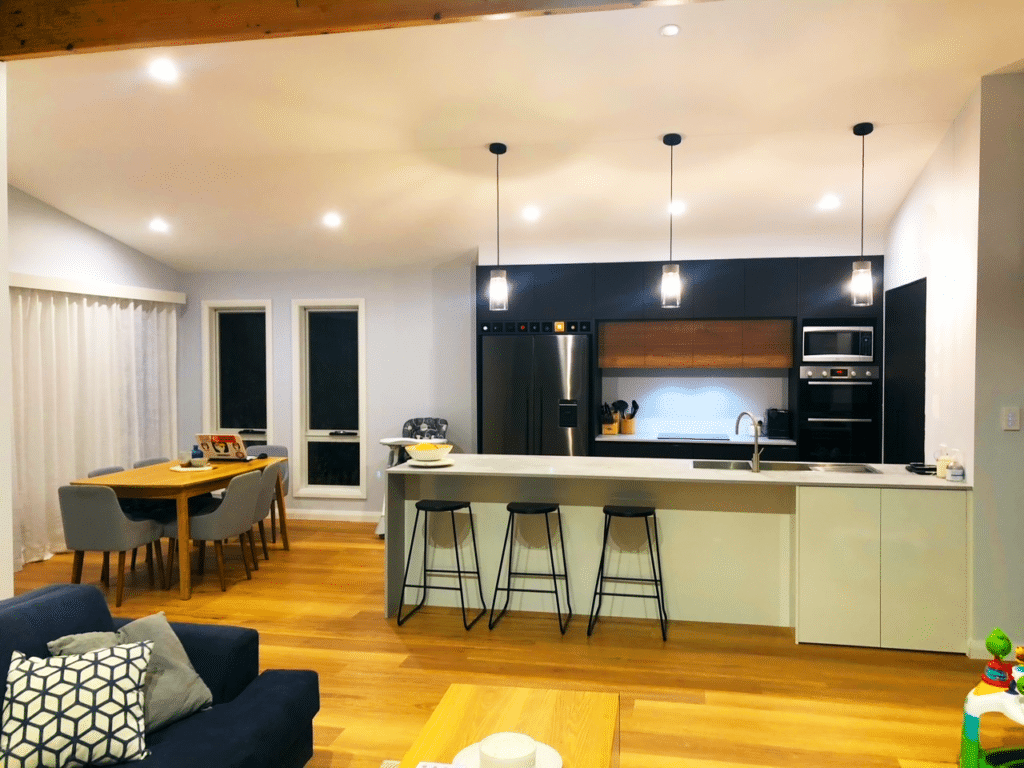
Why Build with Hemmens?
Hemmens Building helps families across the Central Coast extend, renovate and improve their homes with a practical design-and-build mindset. We focus on realistic allowances, clear communication and advice that helps you make confident decisions before construction starts.
Our team has completed extension and renovation work across areas including Buff Point, Bateau Bay, Terrigal and surrounding Central Coast suburbs.
Thinking about an extension?
Get cost clarity before you commit to final drawings.
Book a no-obligation consultation and we will help you understand what is possible, what may affect the budget and the next best step for your home.
Home Extension Cost FAQs
How long does a home extension take?
Smaller extensions often take around 4-6 months from site start to completion. Larger or more complex renovations can take 12 months or more, depending on the scope, approvals, weather and site conditions.
Can I live in the house during the extension?
Usually, yes, especially for ground-floor rear extensions. It depends on the level of disruption, service interruptions and whether the existing home can be safely separated from the work zone.
Do I need council approval?
Many extensions need either DA approval or a complying development pathway. The right route depends on the property, zoning, design, setbacks and site constraints.
Is a second-storey extension more expensive?
Generally yes. Second-storey work often needs more engineering, structural upgrades, weather protection and careful staging, which increases complexity.
Start with clarity
Ready to understand what your project really needs?
A simple look at the experience clients have had with Hemmens Building.
The best time to talk is before the design, budget and scope have drifted apart. Bring the idea, the constraints and the questions. We will help you work through what is realistic and what the smartest next step should be.
“From the first point of contact we felt very much at ease.”
“Workmanship and quality is second to none.”